Modular homes, at the forefront of modern architectural technology, are revolutionizing the concept of construction. Prefabricated modules, manufactured in controlled factory environments, promise not only rapid completion within days to months, but also energy and economic success. Steel, wood, concrete, and PIR panels are materials that define their structure, while ensuring design flexibility and durability. In the context of a dynamically changing climate and the growing need for mobility, modular homes offer solutions in smart system technologies, photovoltaics, and heat recovery. But what is the actual cost of their construction, and are there features that might influence the decision to choose this innovative option over traditional construction? These are questions that increasingly arise in the considerations of clients seeking more sustainable and economical housing options.
Modular homes offer an interesting alternative to traditional construction – they are built from ready-made elements, known as modules, created beforehand in a factory. Their production takes place under stable, controlled conditions, which translates into a very high level of precision and quality of execution. What are these homes built from? Everything depends on the investor’s preferred solutions and the specifics of the particular project.
The most frequently chosen materials are:
A huge advantage of modular homes is their flexibility – they can be designed and used both year-round and seasonally. Moreover, with the help of new technological solutions such as photovoltaic panels or heat recovery systems, their energy efficiency can be significantly increased. This translates into greater savings and more ecological use.
Prefabrication and assembly of modular homes are processes that not only significantly shorten the investment realization time but also ensure high standards of execution. Everything begins in factory conditions – there, in a precisely controlled environment, individual segments of the house are created. By using steel, wood, and concrete elements, solid and durable modules resistant to unpredictable weather conditions are obtained.
When the production stages are complete, the finished parts are transported to the destination site. Here, foundations play a crucial role, as they must be durable and constructed according to the technical design. During the planning phase, it is also worth considering transport issues: delivery costs and the time required for loading and unloading, which have a real impact on the subsequent course of construction.
The assembly of modules usually proceeds very efficiently, taking from a few days to several weeks, depending on the project’s scale. Professional equipment, including specialized cranes, allows for quick and safe placement of structural elements. The experience of the execution team is also extremely important here, as it determines the precision of assembly and minimizes potential errors.
It is worth noting that a modular home can be expanded in the future without interfering with the existing structure. The key to success in this regard remains a suitably chosen location, both in terms of plot size and convenient access, which in the long run translates into efficient transport and the progress of further construction stages.
Modular homes are a topic that intrigues an increasing number of people planning to build their own place. There are many reasons for this, and one of the main ones is the express pace of investment realization. Depending on the project, the entire process can be completed within a few days or months, which literally opens the door to moving in quickly. Costs are also significant – especially for smaller areas, they prove to be noticeably lower than in standard construction, making this option exceptionally financially attractive.
Another important factor is the energy efficiency of these types of homes. Thanks to carefully designed thermal and acoustic insulation, operating costs are much lower, which will be strongly felt in monthly bills. In addition, modern solutions such as photovoltaic panels and heat recovery systems further improve the energy balance and allow for real savings.
A great advantage is also the freedom in planning the appearance and functionality. Modular homes can be easily adapted to your needs, and if over time it turns out that there is not enough space, expansion will not be a problem. This gives you the certainty that you are investing in something that can grow with you. The variety of styles and arrangement possibilities also means that everyone will find something to their taste here.
Finally, it is worth mentioning mobility; some modular home models can be transported to another location. Additionally, ready-made elements are often delivered “ready-to-install,” which shortens the realization time and reduces the stress associated with construction.
All these elements contribute to the convenience and comfort that more and more people prioritize. It is therefore not surprising that modular homes are becoming the answer to the needs of those seeking modern, practical, and more sustainable forms of housing.
Modular homes have many advantages, but before making a final decision to purchase one, it is worth considering the potential drawbacks. Below you will find some of the most important issues that may be relevant to you when considering this investment:
Awareness of these drawbacks is crucial – only then can you decide whether a modular home is a good investment for you.
The cost of a modular home in Poland is largely dependent on several factors, primarily floor area, finishing level, and materials used. Here are some examples:
Maintaining a modular home is usually more financially advantageous than traditional buildings. The reason? Ecological and efficient heat sources, such as heat pumps or photovoltaic panels, which significantly reduce energy consumption. Thanks to them, you can realistically lower bills by as much as 30–50% compared to brick houses. Additionally, modern insulation technologies ensure that heating and cooling do not consume as many resources.
With such amounts, it’s easy to understand why many people consider a mortgage – it allows for more flexible management of expenses. However, it should be noted that companies building modular homes often require full payment before work begins. This is an important detail that should not be overlooked when planning your investment.
Planning the construction of a modular home is not just about choosing a design; a number of other crucial factors also matter. At the very beginning, it is worth carefully examining the plot you have in mind. The location must comply with the provisions of the Local Spatial Development Plan, which often means the need to obtain additional building permits. Let’s not forget to analyze formal requirements, as seemingly trivial bureaucracy can genuinely impact the entire investment.
Equally important are well-thought-out decisions regarding the undertaking itself. The cost of construction is definitely one of the most significant aspects; it is advisable to gather funds in advance not only for the purchase of the home but also to consider available forms of credit. However, it must be understood that financing modular homes may be governed by different rules than loans for traditional properties, so decisions in this matter should not be made hastily.
Contact with the construction company is also of great importance; successful negotiations can significantly improve cooperation terms. It is worth choosing a team with experience that can handle not only assembly but also ensure an appropriate standard of work and timeliness.
Finally, the formalities related to the foundations. This is a topic that must not be overlooked, as the success of subsequent stages depends on the proper preparation of this part. The organization of transport and assembly also requires thorough consideration. The better you adhere to the requirements before construction begins, the greater the chances that the entire investment will be successful.
Modular homes significantly differ from traditional constructions primarily due to their distinct method of creation and technological support. The biggest advantage here is prefabrication – ready-made elements are produced in a factory, allowing for quick and precise assembly under controlled conditions. As a result, the entire construction process can take from a few days to several months. In comparison, traditional homes can take years to build.
Equally important are issues related to energy and insulation. Owners of prefabricated homes can usually expect lower energy consumption, thanks to well-executed insulation and modern technologies. However, it must also be noted that traditional homes have an advantage in terms of design – the scope of personalization is usually much greater. Classic constructions are easier to modify to individual needs, which cannot be said for modular homes, which are based on ready-made forms.
Differences also emerge in finances and formalities:
It is also worth mentioning the differences in mobility; some modular home models can be relocated. This cannot be said for traditional homes, which, once settled on the ground, remain permanent. The final choice therefore depends on the investor’s priorities – some value speed and modernity, while others prefer classic approaches and more flexibility.
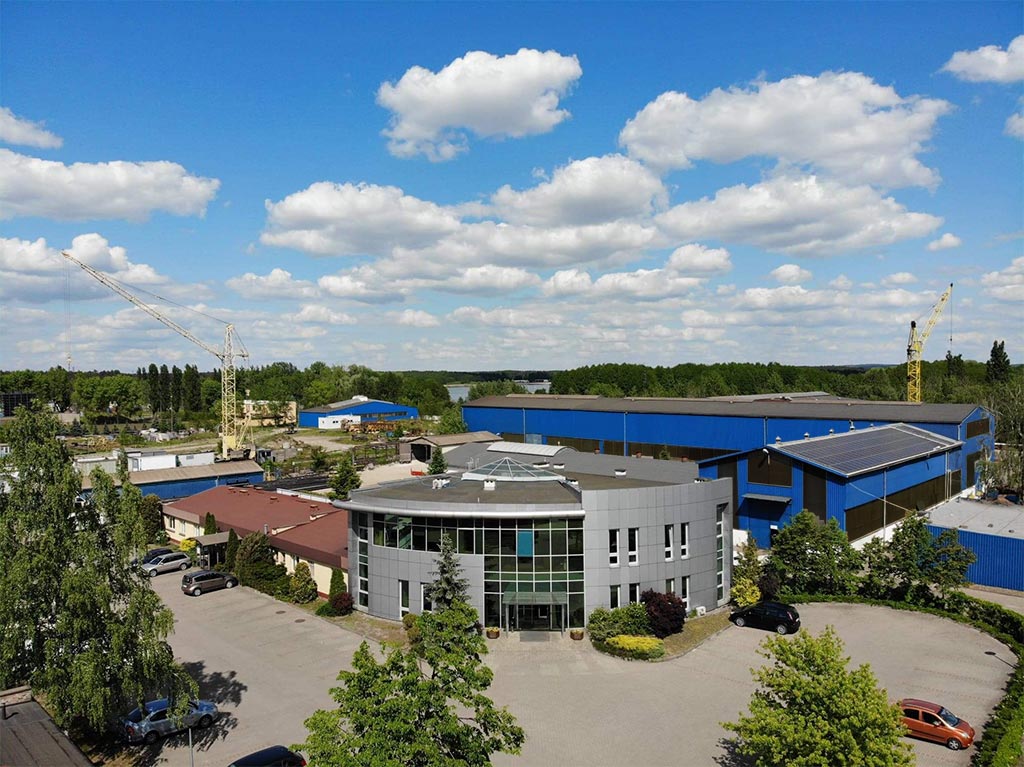
For over 30 years, we have been active in the steel construction industry. We combine tradition and experience with modern prefabrication technologies. The result? Homes that are durable, precisely crafted, and ready for occupancy in record time.
Do you dream of your own place on Earth? Contact our advisor and find out how quickly we can make your dream come true. Together, we will create a hybrid modular home tailored to your lifestyle and budget.
Call or write – the first step to your own home might be simpler than you think.

We build homes using modern prefabrication technology. This means your home is constructed in controlled conditions at our production facility, from where it is delivered directly to your plot. Instead of years of uncertainty and expenses – a safe, comfortable home of your own in just a few months.
© 2025 Task Home