Choosing between a modular home and traditional construction requires a comparison of completion time, costs, risk level, and operational parameters. The following comparison is based on construction practice and market data, allowing for a realistic assessment of the profitability of both technologies.
The construction cost of a modular home typically ranges from 3,500 to 6,500 PLN per gross square meter. To this amount, transportation and assembly must be added, which can increase total expenses by as much as 10-15%. Although modular home prices may seem higher at first glance compared to traditional brick-built homes, the final sum can be more cost-effective. Why? Primarily due to shorter construction time and lower risk of exceeding the planned budget. These elements often determine the attractiveness of this investment.
On the other hand, a traditional brick-built home typically incurs a higher cost, ranging from 4,000 to 6,500 PLN per gross square meter. Similar to modular homes, there is a risk of inflation and so-called “hidden costs” that can unexpectedly significantly exceed the assumed budget. A longer completion time, often from 10 to 24 months, further increases financial risk. Moreover, future operating costs must also be considered, which can vary significantly depending on the technologies and materials used.
The choice of building type should be well-considered; investors should evaluate not only initial outlays but also subsequent maintenance costs. Modular homes may prove cheaper in daily operation, as they are often built with modern, energy-efficient components. Therefore, the decision on technology should be based on a thorough analysis covering both the total construction cost and the completion time, as well as projected future maintenance expenses.
If you are looking for a home that will save you money on heating, consider modular construction. These modern structures boast impressive energy efficiency compared to traditional brick-built homes. The secret lies in advanced technologies, such as precise prefabrication and the use of PIR insulation panels, which significantly reduce heat loss. The result? Lower energy bills and the ability to achieve NF40, or even passive, standards, especially when complemented by heat pumps and photovoltaic panels.
Of course, a brick-built home can also be energy-efficient, but it often requires additional investments in insulation, which ultimately increases the construction cost. Much depends on the quality of materials used and the precision of execution, which directly impacts subsequent operating expenses.
When it comes to insulation, modular homes perform very favorably. They offer excellent thermal and sound insulation, which translates into comfort in daily life. This is all thanks to modern materials and precise workmanship, which help eliminate thermal bridges and better control the indoor climate. Although brick-built buildings can also achieve good insulation levels, they require immense care during construction, which can be a challenge.
If you are wondering about durability, modular homes also hold their own. Made of C24 wood or steel, they can last from 50 to 100 years, similar to brick structures. A benefit of modular power systems, especially in brick construction, is the lack of the need for moisture in the walls and roof. A common cause of traditional damage is moisture accumulation due to the drying time of flooring or plaster – fungi, mold, and efflorescence are common in such homes. Their frequency depends on the individual user. Our dry-type installation – we do not provide electrical power – and the connection of a diffusion-open network allows the building to “breathe” during construction and, above all, during use, allowing access through a potential wall or roof to the outside of the building. The proper construction, and above all, the proper placement of layers of materials on the decks and on top, prevents moisture from accumulating inside the wall or on the roof, as is often the case in existing homes.
The differences between a modular home and a brick-built home are significant and worth careful consideration. Before making a decision, thoroughly weigh all pros and cons, especially in the context of future costs and comfort of use.
Obtaining a building permit is a step that cannot be skipped for both modular and traditional brick-built homes. What needs to be done first? Above all, prepare an architectural and construction design. Such a document must comply with the provisions of the Local Spatial Development Plan (MPZP). Additionally, technical regulations concerning:
However, if you plan to build a home up to 70 m², you can count on simplified procedures. This means shorter waiting times and fewer formalities. For modular homes, their modern form also facilitates faster acquisition of an occupancy permit. It is important, however, that the design complies with local regulations to prevent unnecessary delays.
A well-informed investor is a prepared investor! Therefore, it is worth familiarizing yourself with the required set of documents and the construction process itself in advance. Knowledge of new technologies in the construction industry, as well as applicable standards, can significantly accelerate the entire project, which will ultimately contribute to the success of the entire investment.
Building a home is one of the most important undertakings in a person’s life, and the choice of technology can significantly influence the final shape and character of the dwelling. In recent years, modular homes have gained increasing popularity, distinguished by their speed of execution and predictable costs. This process begins in controlled production hall conditions, where ready-made modules are created, which are then transported to the construction site. Meanwhile, traditional brick-built homes, despite a longer construction time dependent on weather conditions, still attract investors with their design flexibility and adaptability. Each of these methods has unique features that may appeal to different needs and expectations of future owners. The choice between them often comes down to considering one’s priorities regarding costs, time, and aesthetics.
Modular homes and brick-built homes offer diverse solutions that can be adapted to individual resident requirements. What distinguishes modular versions? Primarily, their exceptional design flexibility. Thanks to prefabricated construction, quick and attractively priced expansion is possible. Adding new modules is a simple and convenient process that easily allows adapting space to changing life needs.
In contrast, homes built with brick technology offer significantly greater possibilities for project individualization. The architect is not limited here and can freely create the building’s form and its functional layout. This level of freedom opens the door to realizing even the most ambitious concepts. However, it must be remembered that expanding such structures is a time-consuming and more expensive process, requiring more work and additional formalities.
Both options allow for interior design according to one’s taste and the implementation of modern systems, such as smart home management or energy-efficiency technologies. Modular homes, precisely because of their flexibility, are gaining increasing interest, especially among those anticipating life changes, such as family expansion. When choosing construction technology, it is worth considering not only future needs but also personal visual preferences.
When deciding on a construction method, it is good to keep in mind that modular homes provide the comfort of easy changes. Thanks to precise prefabrication, new parts of the home can be added practically at any time, according to the current expectations of the residents.
On the other hand, although brick technology allows for great freedom in design, any structural changes are a much more complex process – both organizationally and financially. This type of expansion requires attention to formalities and precision of execution. Therefore, it should be remembered that every construction project, regardless of the chosen technology, requires careful consideration to fully meet needs in the long term.
Making the decision whether to invest in a modular home or a brick-built one, it is advisable to start by considering several key issues. Important factors will include:
A modular home is an interesting proposition if you value quick completion and a predictable budget. Thanks to prefabricated elements assembled in controlled conditions, the entire construction often concludes within a few months. Importantly, maintenance costs are usually lower than for traditional homes, which can translate into a better return on investment in the long run.
In turn, a brick-built home, although requiring more patience due to a longer construction time, provides solidity for years and broader design possibilities. With this technology, you are not limited to one scheme – you can afford individual solutions tailored to your own plans. However, it is worth noting that such a choice may entail the risk of exceeding the budget, especially with longer completion times, which exposes you to rising material prices and other additional costs.
Equally important when choosing construction technology will be the location. Different parts of the country may have different regulations affecting formalities and costs. The availability of local contractors and materials also plays a significant role here. Before you decide, it is also good to look at standards such as NF40 and ecological aspects. Modular homes are often considered more environmentally friendly, while brick-built homes, to match them in terms of energy efficiency, may require additional measures, such as better insulation.
If you want to make an informed choice, compare your needs regarding comfort and the expected profitability of the investment. Through careful analysis, you will gain greater certainty that the invested funds will be well utilized, and the final result will meet your expectations both practically and financially.
If you are considering building your own home and are unsure which technology to choose – modular or traditional – it is worth taking a closer look at what distinguishes them. First and foremost, modular homes are built in enclosed production halls, where prefabricated elements are used to create ready-made modules according to the design. Once they are ready, they are transported to the plot for quick assembly. The entire process, from design to moving in, typically takes a few months. Such prefabrication shortens work time and helps avoid many errors that often occur on a construction site.
The situation is entirely different if you opt for a traditional, brick-built home. Here, construction takes place directly on site, and walls are erected from bricks, blocks, or hollow blocks. The entire process takes much longer, and depending on weather conditions and potential delays, it can last from 10 to 24 months. The greater number of stages and reliance on unpredictable weather mean that the risk of cost and deadline overruns is significantly higher.
Regardless of the chosen technology, certain formalities must still be completed. Whether it’s a modular or brick-built home, a design must be developed and a building permit obtained. However, it is worth knowing that for modular homes, procedures tend to be less complicated, which automatically speeds up the entire process of obtaining a permit and starting the investment.
This speed of construction also translates into financial matters. Shorter time means less risk of exceeding the budget and less stress associated with unforeseen expenses. Conversely, with traditional technology, every delay means not only additional costs but also uncertainty for the investor.
Therefore, before making a decision on technology, it is worth considering not only how long the construction will take, but also your financial capabilities and what you expect as an investor – time, budget, and comfort are the three elements that should play a primary role when choosing between a modular and a brick-built home.
The construction time of a home is one of the key aspects to consider even at the stage of choosing the technology. It is undeniable that modular homes perform exceptionally well here – their construction can take from 2 to 6 months. What makes it so efficient? Ready-made prefabricated elements are produced in controlled conditions, ensuring perfect execution, and on-site assembly goes smoothly. Additionally, weather plays a lesser role here – even heavy rainfall or low temperatures do not significantly slow down work, which limits the risk of unplanned delays.
A traditional brick-built home, however, is a completely different story. Here, you must account for a completion time of 10 to even 18 months, and sometimes the investment can drag on for two years. Why such differences? Primarily, it’s due to technological breaks and concrete curing time, but also the impact of atmospheric conditions, which often disrupt plans. When something goes wrong, additional expenses and delays arise, which can quickly affect the budget.
That is why the shorter completion time for modular homes is reassuring for the investor. Less stress, greater budget control, and lower risk of material and labor price increases. Ultimately, a modular home proves to be a more predictable and cost-effective solution. Differences in construction time are a significant argument that should definitely be considered when choosing the construction technology for your future home.
The cost of building a modular home in Poland in 2025-2026 ranges between 3,500 and 6,500 PLN per gross square meter. However, it should be noted that transportation and assembly of prefabricated elements are usually added to this amount, and these can increase expenses by as much as 10-15%. For comparison, the construction of a traditional brick-built home has a similar cost, ranging from 4,000 to 6,500 PLN per gross square meter. In this case, however, there is a risk of material price fluctuations, which, combined with inflation, can make the budget less rigid.
Interestingly, modular homes often offer a more stable price, which significantly facilitates investment planning. In turn, brick-built technology, although well-known and solid, involves additional costs resulting from individual designs and solutions, which can also translate into a significantly longer completion time. The cost of final finishing is similar for both types of buildings, although it is worth adding that in the case of traditional construction, there are greater possibilities for customizing materials and finishes.
When choosing technology, it is worth looking beyond just the initial expenses; subsequent maintenance costs are equally important. Here, modular homes often gain an advantage, as they are increasingly equipped with energy-efficient and modern solutions. Therefore, before making a decision, it is worth diligently analyzing both investment costs and long-term operating expenses – they can significantly impact the overall profitability of the investment.
Modular homes are gaining more and more supporters, mainly due to their excellent energy efficiency. Modern solutions are currently used, such as PUR insulation boards, SIP or PIR, which effectively protect against heat loss. The production of modules in controlled conditions allows almost complete avoidance of thermal bridges, which translates into high thermal comfort in the building and enables compliance with even very stringent standards, such as NF40. And the effects are immediately visible – heating bills are noticeably lower.
However, this does not mean that traditional homes have no chance. Energy savings can also be achieved in brick-built construction, although this requires more effort, both in selecting high-quality materials and in precision of execution. The energy efficiency of such buildings largely depends on the quality of construction work. If inappropriate materials are used or imprecise solutions are applied, subsequent operating costs may be higher.
In addition to thermal benefits, modular homes also offer a healthier indoor climate, which enhances daily living comfort. Systems such as heat pumps or photovoltaic installations further increase their ecological character. Additionally, the diffusion openness of partitions allows the building to breathe, thus preventing moisture problems.
This is what makes them part of the sustainable construction trend. For those seeking a practical and energy-efficient solution, a modular home may be a more cost-effective alternative than a classic brick-built building.
If you are wondering whether to choose a modular home or a brick-built one, you must pay attention to two key aspects – durability and quality of workmanship. Modular homes, built from materials such as KVH and C24 wood, steel, SIP panels, or PIR boards, with proper assembly, can last for over a hundred years. Prefabrication, which is the essence of this technology, allows for the production of elements in strictly controlled conditions, which translates into high precision and eliminates the risk of accidental shortcomings during construction.
In turn, brick-built homes, constructed from ceramic hollow blocks, silicates, or concrete, have long been regarded as exceptionally solid and durable structures. Their resistance to the passage of time can be truly impressive, but much depends on the meticulousness of execution. Using good quality materials is one thing – equally important is the full commitment of the construction team and precise workmanship.
Regardless of the building type, the quality of construction is of immense importance for its longevity. Modular homes gain in accuracy here – assembly takes place during prefabrication, which minimizes the risk of thermal bridges and improves thermal insulation. As a result, such buildings are more energy-efficient. Brick-built homes can also achieve good parameters, but this often requires the use of additional, costly insulation solutions.
Aesthetics and quality of finishes also affect the final value of the home. Brick-built homes offer greater freedom in designing interiors and facades, allowing investors to more clearly express their style. However, modular homes, although they have more limited options in terms of appearance, can pleasantly surprise with modern design and practical solutions.
Before making a decision about construction, calmly consider what will be your priority – whether you value solidity and design flexibility, or perhaps you prioritize quick construction and high energy efficiency. It is worth thoroughly thinking through these issues to enjoy your home for many years without stress and with complete satisfaction.
Higher maintenance costs can significantly impact the long-term profitability of real estate investments. In this context, modular homes perform decidedly better – thanks to very good insulation and energy efficiency. In practice, this means significantly lower energy bills; one can save even tens of percent compared to traditional brick-built homes. Their high efficiency often means they meet passive building standards, which allows energy consumption to be kept to a minimum, both in winter and summer.
Traditional brick buildings often entail higher operating expenses, mainly due to the presence of thermal bridges and suboptimal insulation. Modular homes have another advantage here as they are easily expandable with additional modules. This is a significant convenience, especially in terms of future operating and maintenance costs. The possibility of flexible expansion makes it easier to adapt space to life changes without incurring large financial outlays.
Equally important today is the ecological aspect and a sustainable approach – these have a direct impact on the market value of real estate. Modular homes, thanks to the use of innovative materials, often utilize renewable energy sources, such as solar panels. Such solutions not only increase the economic attractiveness of the building but also bring environmental benefits. Additionally, the higher living comfort in such a home can positively affect its price on the real estate market.
For over 30 years, we have been active in the steel construction industry. We combine tradition and experience with modern prefabrication technologies. The result? Homes that are durable, precisely crafted, and ready for occupancy in record time.
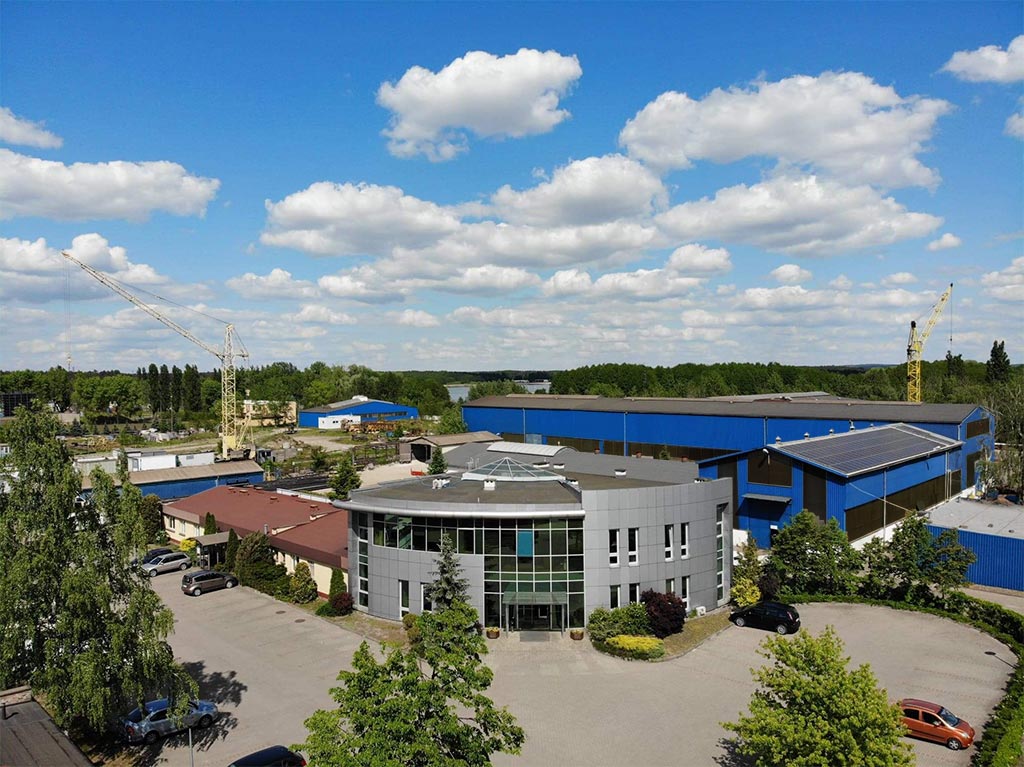
Do you dream of your own place on Earth? Contact our advisor and find out how quickly we can make your dream come true. Together, we will create a hybrid modular home tailored to your lifestyle and budget.
Call or write – the first step to your own home might be simpler than you think.

We build homes using modern prefabrication technology. This means your home is constructed in controlled conditions at our production facility, from where it is delivered directly to your plot. Instead of years of uncertainty and expenses – a safe, comfortable home of your own in just a few months.
© 2025 Task Home